Enjoy helpful home buying and selling tips as well as market updates, community events and local love.

May 23, 2024

Invest in Yourself by Owning a Home

INVEST in yourself by owning a home_Laurel Jonas blog

Invest in Yourself by Owning a Home

Investing in yourself by owning a home can bring numerous benefits and opportunities. Here are some reasons why owning a home can be a wise investment:

  1. Building equity: When you own a home, you are building equity as you pay down your mortgage. Equity is the difference between the value of your home and the amount you owe on your mortgage. Over time, as your home's value appreciates and you continue to make mortgage payments, your equity increases. This can provide financial stability and serve as a long-term asset.

  2. Potential for appreciation: Historically, real estate has shown a tendency to appreciate in value over time. While there are no guarantees, owning a home can offer the potential for your property to increase in value. This can result in significant returns on your investment if you decide to sell in the future.

  3. Tax advantages: Homeownership often comes with tax benefits. In many countries, homeowners can deduct mortgage interest, property taxes, and certain closing costs from their taxable income. These deductions can help reduce your overall tax liability and potentially save you money.

  4. Stability and control: Owning a home provides stability and a sense of control over your living situation. Unlike renting, where landlords can increase rent or decide not to renew your lease, owning a home gives you the freedom to create a living space that suits your needs. You have the power to make improvements, decorate, and personalize your home to your liking.

  5. Forced savings: Paying a mortgage is a form of forced savings. Each monthly payment goes toward building equity and paying off your loan balance. This can be an effective way to accumulate wealth over time, as opposed to renting where your monthly payments go solely towards your landlord's income.

  6. Potential rental income: Homeownership can also present opportunities for generating rental income. If you have extra space or decide to move but want to hold onto your property, you can rent it out and earn passive income. This can be a valuable source of additional cash flow and a way to diversify your investment portfolio.

It's important to note that homeownership also comes with responsibilities, including maintenance costs and potential market fluctuations. It's crucial to carefully consider your financial situation, long-term goals, and the real estate market in your area before deciding to invest in a home. Consulting with a real estate professional or financial advisor can help you make an informed decision.

Laurel Jonas

Northwest Realty Group

208homesforsale@gmail.com

208homesforsale.com

Posted in Buying A Home Tips
May 22, 2024

How To Fix 5 Common Bathroom Issues

How to fix 5 common bathroom issues_Laurel Jonas blog

How To Fix 5 Common Bathroom Issues

Homeownership has plenty of perks. You can make changes whenever you want, but that also means you are responsible for making any fixes that you want (or need)! Instead of calling the local handyman every time something small goes awry, you can try out these quick fixes for common bathroom issues that arise while saving yourself some money along the way.

1. Shifting Toilet Seat

Is your toilet seat wobbling every time you sit down? Sometimes, there are visible bolts to tighten, but that just doesn't fix the issue. Many are unaware that you can actually purchase a toilet seat tightening kit. Most home improvement stores will carry an inexpensive kit, usually around $10. Rather than investing in a new toilet seat, you can save time and money by picking up a kit the next time you're out.

2. Slippery Shower

There are two main options to remedy a slippery shower. If you have a geriatric family member, a shower chair may be the best option to provide security. These chairs can be as affordable as $20 and can offer peace of mind when it comes to the safety of your loved ones. If chairs aren't for you, a non-slip bath mat will keep you from falling in the shower and cost as much as a few coffees.

3. Clogged Shower Head

Do you normally have great water pressure, but now your shower feels like a slow leak? Your shower head is likely clogged from a build up of minerals in your water. Instead of calling the plumber or heading to the store to buy toxic chemicals, you can use ingredients already in your home to fix your problem. All you need to do is fill a sandwich bag halfway full with white vinegar, submerge the shower head into the vinegar in the bag, and tie the bag to the piping and allow the head to soak overnight. When you remove the bag, you should wipe the head to remove any excess and then your shower should be back to normal pressure.

4. Slow Drain

Before calling a professional, consider trying a Zip-It tool. You can find one at your local hardware store for around $5, but you have to be willing to deal with a little bit of gunk. The tool is placed in the drain and pulls out whatever is clogging it, usually hair and soap. If you can get past that, you'll save yourself the price of a plumber.

5. Leaking Water Valve

Instead of heading to the store for a replacement water supply valve, try tightening the packing nut on the valve. A quick video search online will show you which nut to tighten, and it will only take a few minutes. Now you've saved time and money!


While these are easy fixes to do yourself, selling your home isn't nearly as easy to DIY. Call me today if you are ready to put your home on the market!


Laurel Jonas

Northwest Realty Group

208homesforsale@gmail.com

208homesforsale.com

Posted in Home Tips
May 16, 2024

Thinking About Using Your 401(k) To Buy a Home?

401k to buy a home

Thinking About Using Your 401(k) To Buy a Home?

Using a 401(k) to buy a home is a personal decision that requires careful consideration. While it can be an option, there are several factors to keep in mind. Here are a few things to consider before making a decision

  1. Eligibility: Check with your employer to ensure that your 401(k) plan allows for withdrawals for home purchases. Some plans may have restrictions or penalties for early withdrawals.

  2. Costs and Penalties: If you withdraw funds from your 401(k) before reaching the age of 59½, you may be subject to income taxes and a 10% early withdrawal penalty. This can significantly impact your savings.

  3. Impact on Retirement: Withdrawing from your 401(k) means reducing your retirement savings. Consider the long-term effects on your retirement goals and whether you can make up for the withdrawal later.

  4. Alternatives: Explore other options for financing your home purchase, such as mortgage loans, down payment assistance programs, or saving for a larger down payment. These alternatives may have fewer financial implications.

  5. Consult a Financial Advisor: It's always a good idea to consult with a financial advisor who can provide personalized advice based on your specific situation. They can help you understand the potential consequences and guide you towards making the right decision.

Remember, buying a home is a significant financial decision, and it's essential to consider all aspects before tapping into your retirement savings.


Laurel Jonas

Northwest Realty Group

208homesforsale@gmail.com

208homesforsale.com

Posted in Buying A Home Tips
May 9, 2024

Foreclosures and Bankruptcies Won’t Crash the Housing Market

foreclosures and bankruptcies

Foreclosures and Bankruptcies Won’t Crash the Housing Market


While foreclosures and bankruptcies can have an impact on the housing market, they are unlikely to cause a complete crash on their own. It's important to understand that housing market crashes are typically the result of a combination of factors, such as a significant oversupply of homes, an economic recession, or a financial crisis.

Foreclosures occur when homeowners are unable to make their mortgage payments, leading to the lender taking possession of the property. While foreclosures can increase the supply of homes on the market, they typically do not have a widespread impact unless they are occurring at an unusually high rate

Similarly, bankruptcies can lead to the sale of assets, including real estate, but they are usually individual cases and do not have a significant effect on the overall housing market.

That being said, it's important to keep an eye on foreclosure and bankruptcy rates in your local area, as they can still impact specific neighborhoods or communities. Real estate professionals should monitor these trends and adjust their strategies accordingly to navigate any potential challenges or opportunities they may present.


Laurel Jonas

Northwest Realty Group

208homesforsale@gmail.com

208homesforsale.com

Posted in Selling Tips
May 6, 2024

April 2024 Coeur d'Alene Area Real Estate Market Update

April 2024 Coeur d'Alene Idaho real estate market update

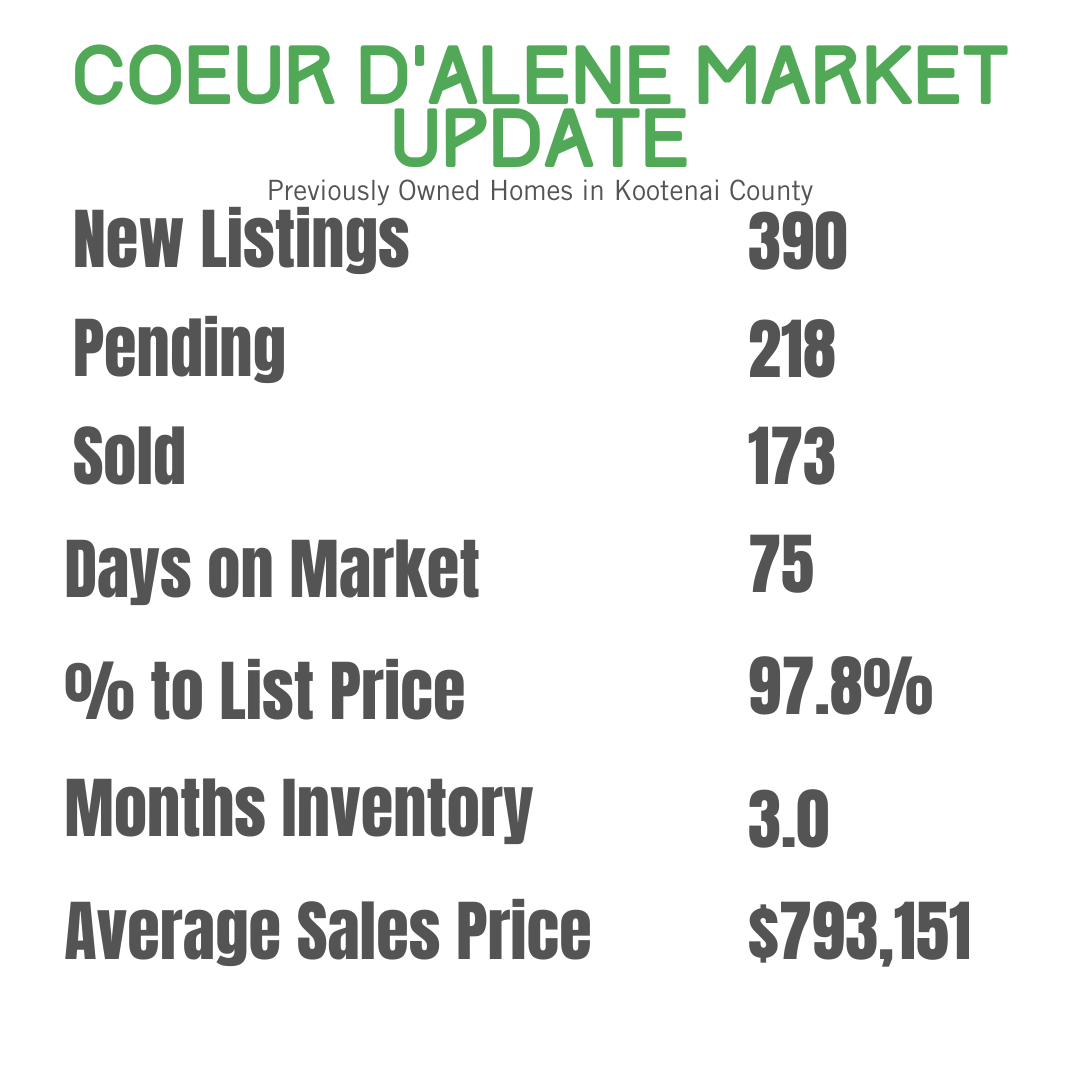
➡️New Listings: 390 Up 22.3%

➡️Pending sales: 218 Up 15.3%

➡️Closed Sales: 173 Up 13.8%

➡️Days on Market Until Sold: 75 Up 7.1%

➡️Percent to List Price Received: 97.8% Up 0.2%

➡️Months of Inventory: 3.0% Up 3.4%

➡️Average Sales Price: $793,151 Up 21.9%


👉Stats are compared to April 2024- Previously owned properties only in Kootenai County.️


For more Coeur d'Alene Idaho Real estate market information, please call, text or email me.


Laurel Jonas

208-758-9000

208HomesForSale@gmail.com

Northwest Realty Group

Posted in Market Updates
April 24, 2024

The Perks of Selling Your House When Inventory Is Low

Perks of selling home_Laurel Jonas blog

The Perks of Selling Your House When Inventory Is Low

Selling your house when inventory is low can offer several perks for homeowners. Here are some of the advantages:

Increased demand


With fewer homes available on the market, there is typically increased competition among buyers. This can lead to multiple offers, bidding wars, and potentially higher sale prices for sellers.

Faster sales process


When inventory is low, homes tend to sell more quickly. This is because buyers have limited options and are often motivated to make a purchase sooner rather than later. As a seller, you might experience a faster sales process and avoid prolonged listing periods.

Favorable negotiating position


Low inventory can give sellers an advantage during negotiations. With limited options, buyers may be more willing to meet your asking price or make concessions to secure the property. This can put you in a stronger position to negotiate favorable terms.

Less competition from other sellers


In a low-inventory market, there are typically fewer sellers competing for buyers' attention. This means your home may stand out more, attracting serious buyers who are actively searching for properties. This can increase your chances of receiving quality offers.


When supply is low and demand is high, it often leads to an increase in sale prices. With multiple buyers interested in your property, you may receive offers that exceed your initial expectations. This can result in a higher return on your investment.

Less time and effort spent on marketing


In a low-inventory market, the demand for homes often outpaces the supply. As a result, you may not need to invest as much time and effort into marketing your property to attract buyers. This can save you valuable time and resources during the selling process.

It's important to note that the perks of selling in a low-inventory market can vary depending on your specific location and market conditions. It's always a good idea to consult with a local real estate professional who can provide tailored advice based on your circumstances.

Laurel Jonas

Northwest Realty Group

208homesforsale@gmail.com

208homesforsale.com

Posted in Selling Tips
April 18, 2024

Why Your House Didn’t Sell

Why Your House Didn't Sell_Laurel Jonas Blog

Why Your House Didn’t Sell

If your listing expired and your house didn’t sell, you’re likely feeling a little frustrated. Not to mention, you're also probably wondering what went wrong. Here are three questions to think about as you figure out what to do next.

Did You Limit Access to Your House?
One of the biggest mistakes you can make when selling your house is restricting the days and times when potential buyers can tour it. Being flexible with your schedule is important when you're selling your house, even though it might feel a bit stressful to drop everything and leave when buyers want to see it. After all, minimal access means minimal exposure to buyers. Do your best to be as flexible as possible when granting access to your house for showings.

Sometimes, the most determined buyers might come from far away. Since they're traveling to see your house, they may not be able to change their plans easily if you only offer limited times for showings. So, try to make your house available as much as you can to accommodate them. It’s simple. If no one’s able to look at it, how’s it going to sell?

Did You Make Your House Stand Out?
When selling your house, the old saying matters: you never get a second chance to make a first impression. Putting in the work to make the exterior of your home look nice is just as important as how you stage it inside. Freshen up your landscaping to improve your home’s curb appeal so you can make an impact upfront. After all, if people drive by, but aren’t interested enough to walk through the front door, you’ll never sell your house.

But don’t let that impact stop at the front door. By removing personal items and reducing clutter inside, you give buyers more freedom to picture themselves in the home. Additionally, a new coat of paint or cleaning the floors can go a long way to freshening up a room.

Did You Price Your House Compellingly?
Setting the right price is extremely important when you're selling your house. Even though it might feel tempting to push the price higher to maximize your profit, overpricing can scare away buyers and make it hard to sell quickly. The biggest mistake sellers make is overpricing their home.

If your house is priced higher than others like it, it could make buyers lose interest. Pay attention to the feedback people give your agent during open houses and showings. If lots of people are saying the same thing, it might be a good idea to think about lowering the price.

For all these insights and more, rely on a trusted real estate agent. A great agent will offer expert advice on relisting your house with effective strategies to get it sold.

Bottom Line
It’s natural to feel disappointed when your listing has expired and your house didn’t sell. Let’s connect to figure out what happened and what to reconsider or change if you want to get your house back on the market.


Laurel Jonas

Northwest Realty Group

208homesforsale@gmail.com

208homesforsale.com

Posted in Selling Tips
April 3, 2024

March 2024 Coeur d'Alene Area Real Estate Market Update


March 2024 Coeur d'Alene Area Real Estate Market Update

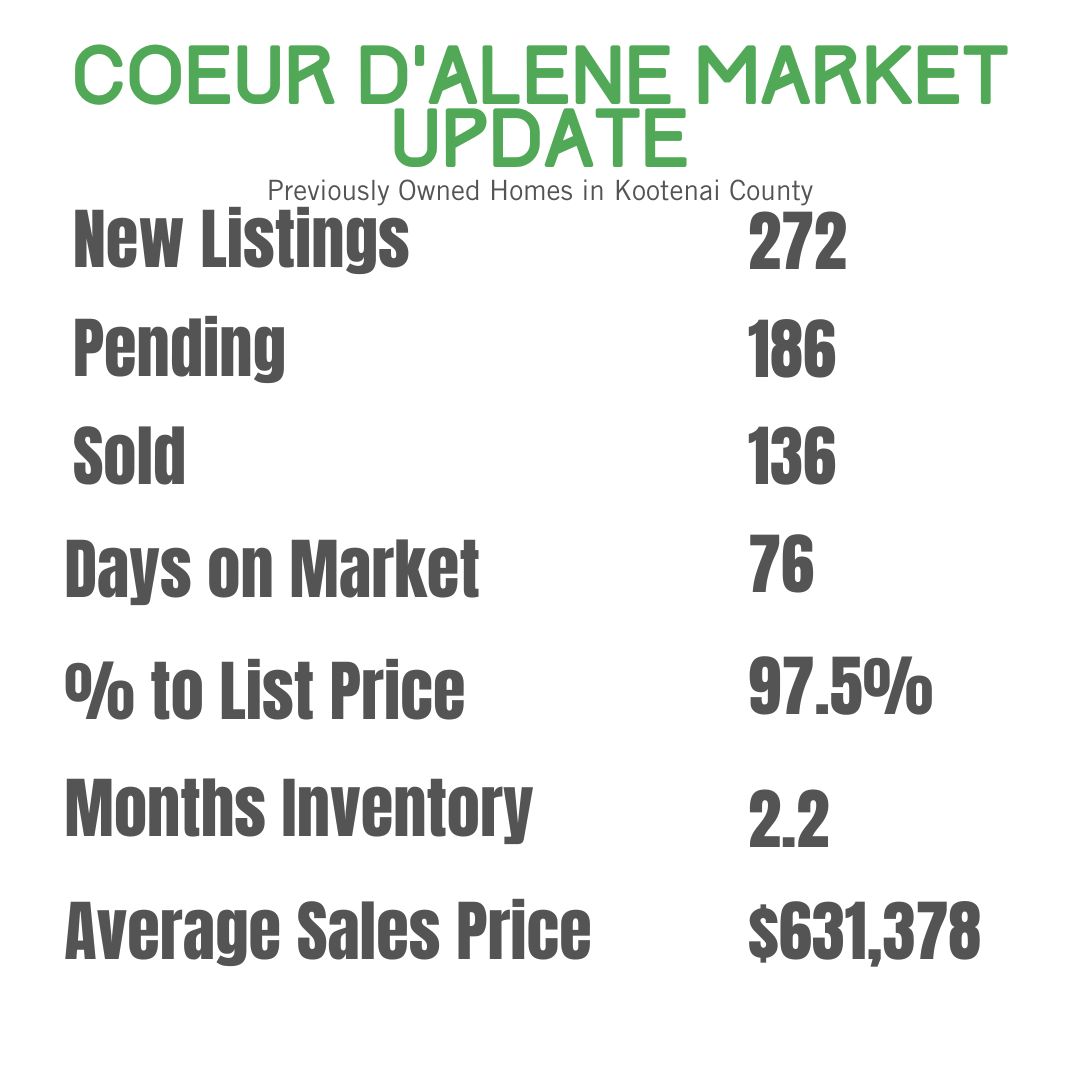
➡️New Listings: 272 Down 12.2%

➡️Pending sales: 186 Up 10.7%

➡️Closed Sales: 136 Up 13.6%

➡️Days on Market Until Sold: 76 Stayed the same 0%

➡️Percent to List Price Received: 97.5% Up.3%

➡️Months of Inventory: 2.2% Down 8.3%

➡️Average Sales Price: $631,378 Down 5%


👉Stats are compared to March 2024- Previously owned properties only in Kootenai County.️


For more Coeur d'Alene Idaho Real estate market information, please call, text or email me.

Laurel Jonas

208-758-9000

208HomesForSale@gmail.com

Northwest Realty Group

Posted in Market Updates
April 3, 2024

Key Skills You Need Your Listing Agent To Have

key skills for agent to have_Laurel Jonas blog

Key Skills You Need Your Listing Agent To Have

When choosing a listing agent for your real estate needs, there are several key skills and qualities you should look for. Here are some important ones:

  • Market Knowledge
    A good listing agent should have a deep understanding of the local real estate market. They should be familiar with current trends, comparable sales, and the competition in your area. This knowledge will help them price your property accurately and strategically.

  • Marketing Expertise
    Your listing agent should have strong marketing skills to effectively promote and advertise your property. They should be proficient in various marketing channels, such as online listings, social media, photography, and virtual tours. A well-marketed property attracts more potential buyers, increasing your chances of a successful sale.

  • Negotiation Skills
    Negotiating is a crucial aspect of the real estate process. Your agent should be a skilled negotiator who can advocate for your best interests. They should know how to navigate offers, counteroffers, and any potential obstacles that may arise during the negotiation process.

  • Communication Skills
    Effective communication is essential in any real estate transaction. Your listing agent should be responsive, keeping you informed and updated throughout the selling process. They should be able to explain complex concepts clearly and address any concerns or questions you may have.

  • Professional Network
    A well-connected agent can tap into their professional network to benefit your listing. They should have relationships with other real estate professionals, such as lenders, home inspectors, and contractors, to streamline the selling process and provide you with reliable referrals.

  • Problem-Solving Abilities
    Real estate transactions can sometimes encounter challenges. Your agent should be resourceful and proactive in finding solutions to any issues that may arise. Their problem-solving skills will ensure a smoother transaction and minimize stress for you as the seller.

Remember to interview multiple agents, ask for references, and assess their track record before making a decision. Finding an agent with these key skills will increase your chances of a successful and profitable home sale.


Laurel Jonas

Northwest Realty Group

208homesforsale@gmail.com

208homesforsale.com

Posted in Selling Tips
March 21, 2024

Causes of Buyer's Remorse After Buying a House

causes of buyers remorse_Laurel Jonas blog

Causes of Buyer's Remorse After Buying a House

Buyer's remorse, a feeling of regret or doubt after making a significant purchase, can sometimes occur after buying a house. Here are some common causes of buyer's remorse in the context of homeownership:

  1. Financial strain: One of the main causes of buyer's remorse is financial stress. If the cost of homeownership, including mortgage payments, property taxes, insurance, and maintenance, is higher than anticipated, it can lead to regret. It's important to carefully consider your budget and future expenses before purchasing a home to ensure you can comfortably afford it.

  2. Unexpected repairs or maintenance: Sometimes, after moving into a new home, unexpected repairs or maintenance issues arise. These unforeseen expenses can lead to regret if they strain your budget or require significant time and effort. Conducting thorough inspections and getting a home warranty can help mitigate this risk.

  3. Unrealistic expectations: Buyer's remorse can occur when the reality of homeownership doesn't meet your expectations. Whether it's the size of the property, the neighborhood, or the condition of the home, it's essential to have realistic expectations and conduct thorough research before making a purchase.

  4. Emotional decision-making: Making a home purchase based primarily on emotions, such as falling in love with the aesthetics or feeling pressured to buy, can lead to regret later on. It's important to balance emotions with rational decision-making and consider practical factors such as location, future needs, and resale potential.

  5. Buyer's market changes: Market conditions can impact buyer's remorse. If housing prices decline shortly after purchasing, buyers may feel regret about not waiting or negotiating a better deal. However, it's important to remember that real estate is a long-term investment, and market fluctuations are normal.

  6. Relationship changes or lifestyle shifts: Changes in personal circumstances, such as a job loss, divorce, or a desire to relocate, can lead to buyer's remorse. Life changes can impact the suitability of a home and cause regret if it no longer aligns with your needs or goals.

To minimize the risk of buyer's remorse, take your time during the home buying process. Conduct thorough research, seek professional advice, and consider all aspects of homeownership. It's also advisable to work with a reputable real estate agent who can guide you through the process and help you make informed decisions.


Laurel Jonas

Northwest Realty Group

208homesforsale@gmail.com

208homesforsale.com

Posted in Buying A Home Tips